
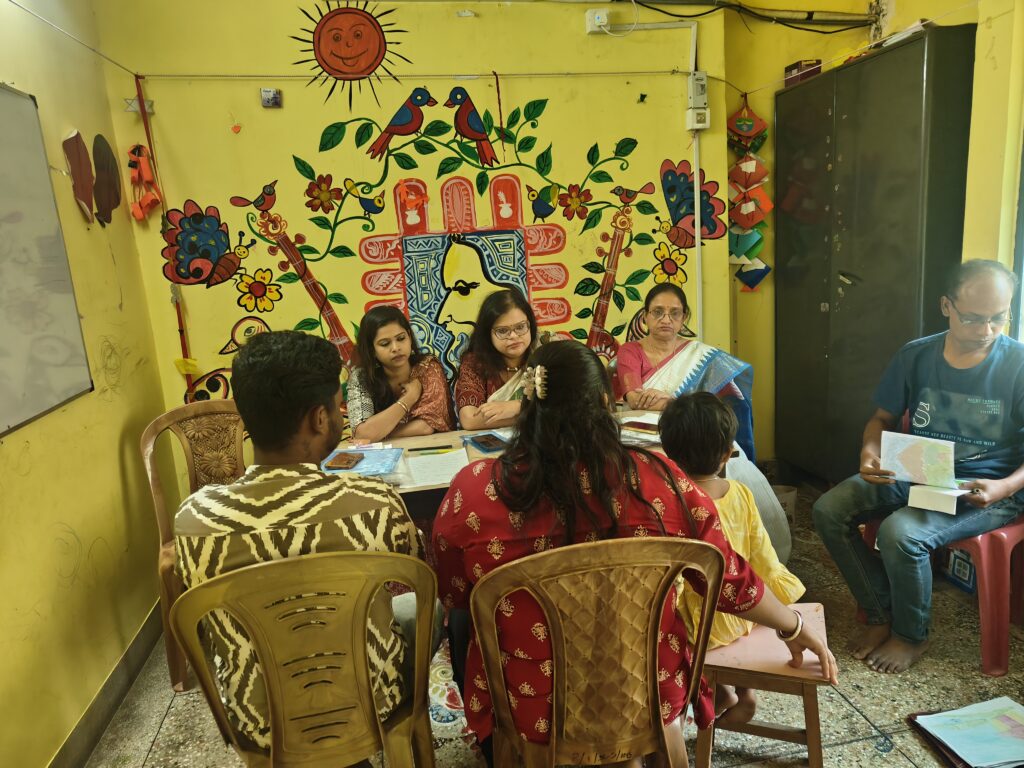
- Date: 10th April 2026
- Location: Paarvarish school premises
- Participants: Parents, teachers, school children
An inclusive school environment shifts the focus of a Parent-Teacher Meeting (PTM) from standard benchmarks to individualized growth and collaborative support. In these settings, the conversation acknowledges that every student learns differently and emphasizes the removal of barriers.
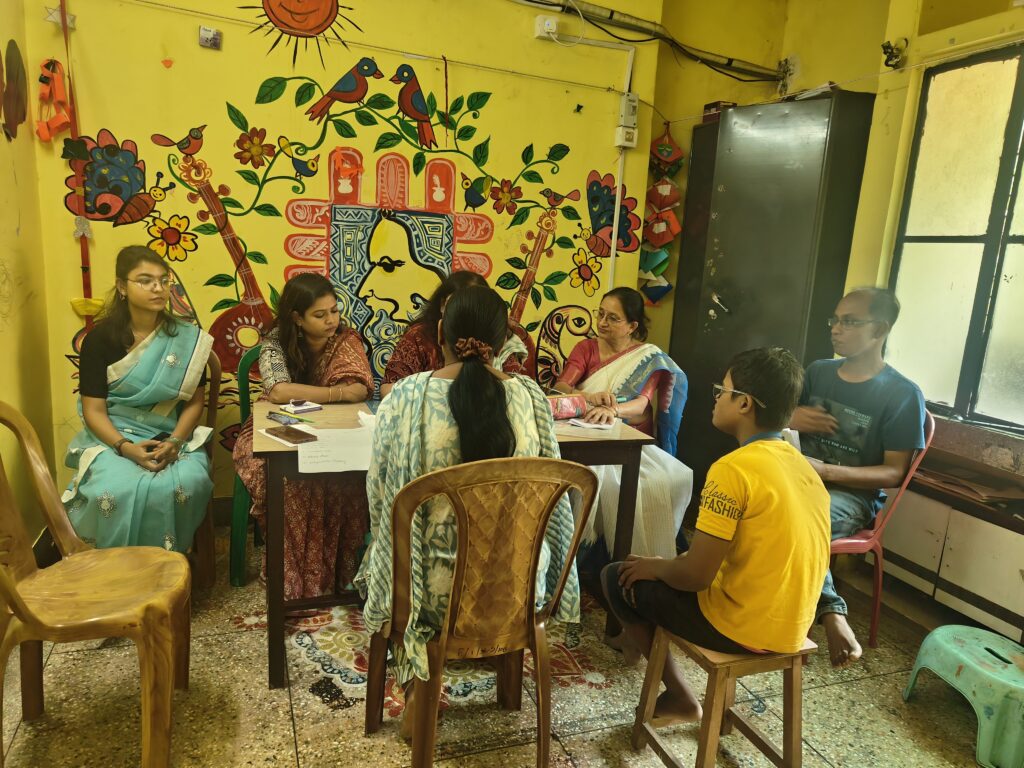
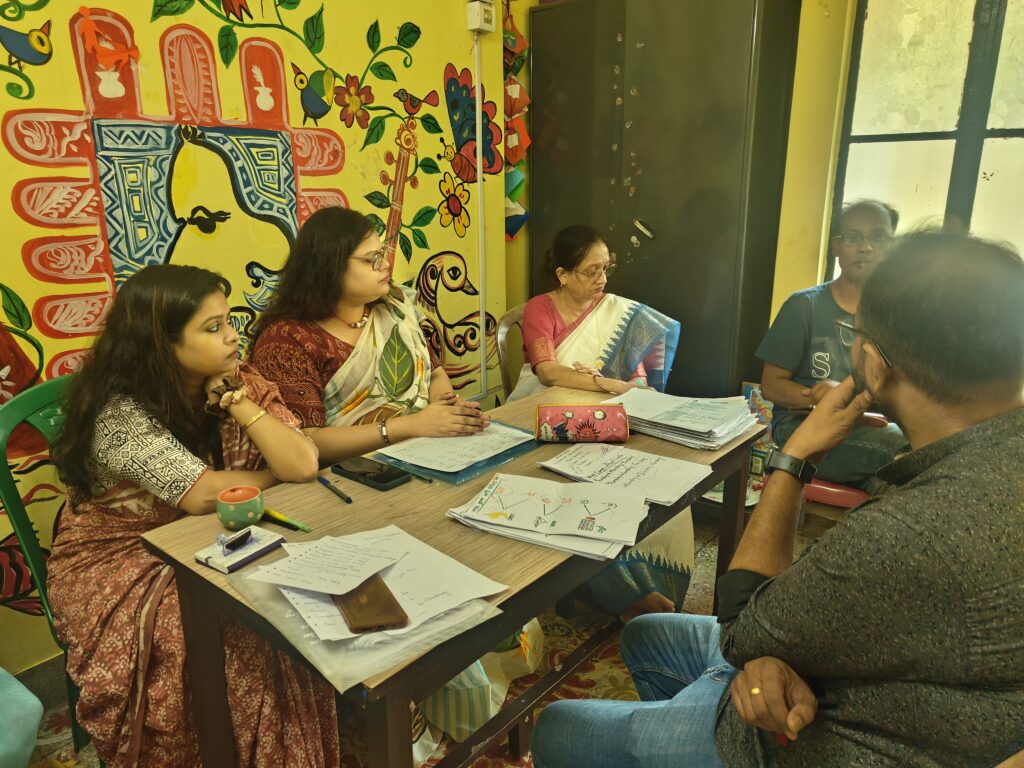
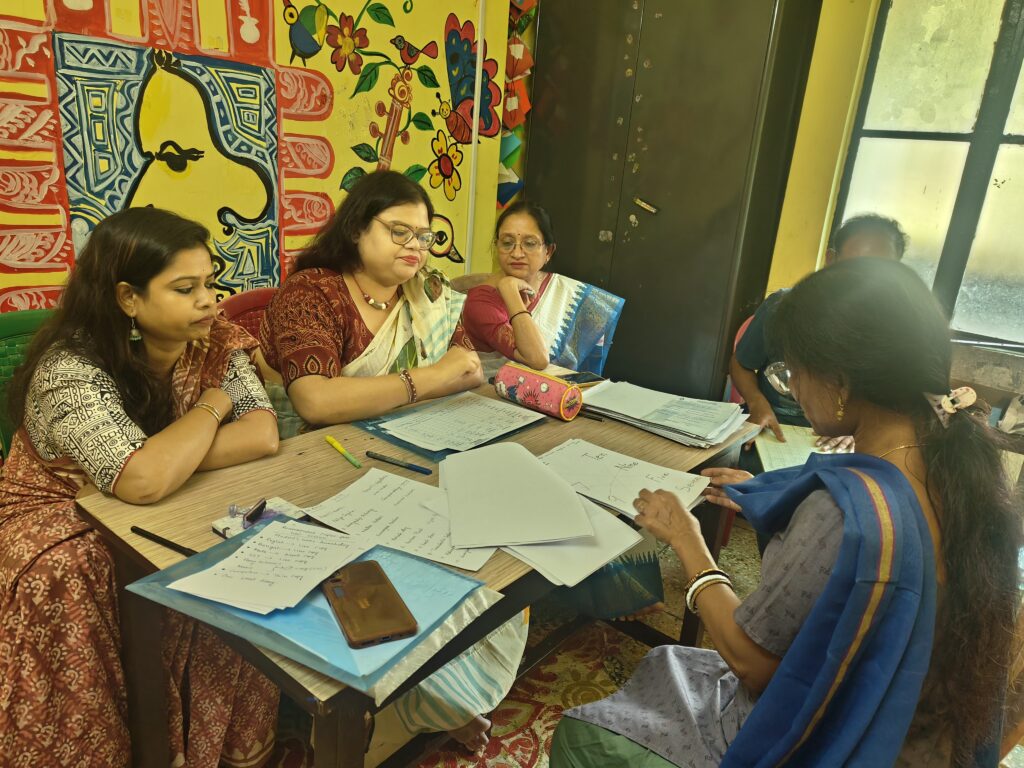
Key Highlights
- Academic & Developmental Progress
- Social & Emotional Growth
- Behavioural Observations & Routines
1. Progress on Individualized Goals
In an inclusive setting, “success” is measured against the student’s unique starting point rather than just a class average.
- IEP/ILP Review: For students with specific needs, a significant portion of the meeting is dedicated to reviewing the Individualized Education Program (IEP) or Individualized Learning Plan (ILP).
- Small Wins: Celebrating incremental progress in functional skills, communication, or specific academic targets that might be overlooked in a traditional setting.
- Alternative Assessments: Discussing how the student is being evaluated (e.g., through portfolios, oral presentations, or modified testing) to ensure their knowledge is being captured accurately.
2. Social Integration & Belonging
Inclusion is as much about social connection as it is about academics.
- Peer Dynamics: Discussing how the student interacts with the neurotypical and neurodivergent peers. This is fostering meaningful friendships with the students.
- Collaborative Learning: Highlighting the student’s role in group activities and how they contribute to the classroom community.
- Advocacy & Assertion: Observing if the student is learning to advocate for their own needs (e.g., asking for a break or a specific tool).
3. Accessibility & Accommodations
This section focuses on the “tools” that facilitate learning.
- Environmental Adjustments: Reviewing if the classroom setup—such as sensory-friendly lighting, quiet zones, or ergonomic seating—is working.
- Assistive Technology: Evaluating the effectiveness of tools like speech-to-text software, communication boards, or specialized apps.
- Instructional Scaffolding: Explaining how lessons are “differentiated” (tailored to the need of the student) so the student can access the same curriculum as their peers at a level that challenges them appropriately.
4. Holistic Support & Service Coordination
Inclusive schools often involve a team of professionals beyond the lead teacher.
- Multidisciplinary Feedback: Sharing insights from speech therapists, occupational therapists, or counselors who work with the student during school hours.
- Support Staff Synergy: Discussing the role of any teaching assistants or “shadow teachers” and how they are providing support to encourage the student’s independence.
- Consistency Across Environments: Ensuring that the strategies used at school (e.g., a specific visual schedule or “first/then” board) are reinforced at home for better outcomes.
→ If you feel this kind of meeting could benefit your child, we would love to hear from you. Please connect with us through our Contact Form.